Your coverage begins with Actual Production History (APH), which uses historical yield data to establish an expected production baseline.
Planting decisions come with uncertainty. Weather, disease, and market swings can all affect your operation's profitability. Multi-Peril Crop Insurance (MPCI) can reduce those risks by providing financial protection when yields or revenue fall below insured levels.
This guide explains how MPCI works, what it covers, and the coverage options available so you can make informed decisions ahead of planting season.
Key takeaways
MPCI is a federally subsidized risk management tool that protects crop producers against yield and/or revenue losses.
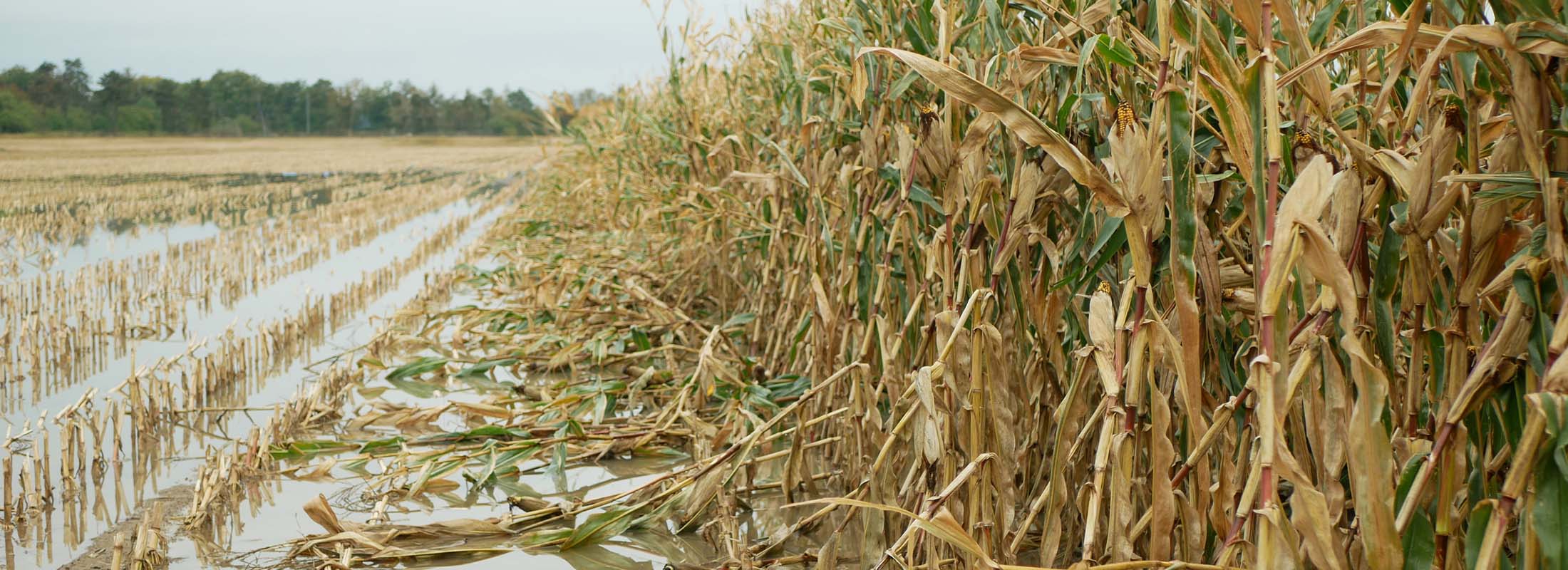
MPCI can help cover losses caused by natural perils such as drought, excessive moisture, hail, wind, freeze, insects, and disease.
There are multiple coverage options; coverage is based on individual or area production history, the selected coverage level, and projected crop prices.
Most coverage decisions must be made before the applicable sales closing date.
What is MPCI?
MPCI is a form of federal crop insurance designed to protect producers from production and revenue losses caused by risks beyond their control.
Unlike single-peril policies such as wind, fire, and hail policies, MPCI covers multiple risks, including weather-related events and certain unavoidable production losses. Coverage is delivered through Approved Insurance Providers (AIPs) and reinsured by the Federal Crop Insurance Corporation (FCIC).
For many operations, MPCI serves as the foundation of a broader risk management strategy because it can help create a financial safety net against both production shortfalls and market volatility.
Revenue Protection
Revenue Protection (RP) is the most commonly selected MPCI policy among our customers. It protects against revenue losses caused by lower yields, declining market prices, or a combination of both.
RP includes harvest price protection, which can increase the value of a claim if harvest prices rise above projected prices.
Yield Protection
Yield Protection (YP) focuses specifically on production losses. It provides coverage when actual production falls below the guaranteed yield established under the policy.
This option may appeal to producers primarily concerned about protecting crop yields rather than guarding against market price fluctuations.
Other MPCI coverage options
Additional plans may be available depending on crop, geography, and operation needs. These can include area-based products, supplemental coverages, whole farm policies, and other policy options.
What does MPCI cover?
MPCI generally protects against unavoidable losses resulting from natural causes. Covered perils commonly include:
Drought
Excessive moisture
Hail
Wind
Freeze
Insects
Plant disease
Wildfire damage
Coverage applies when the damage results from naturally occurring events that are beyond the producer's control.
MPCI policies do not typically cover post-harvest damage or quality issues, theft or vandalism, or losses resulting from negligence or poor farming practices.
What crops can be insured through MPCI?
Coverage is available for a wide variety of crops throughout the United States, although availability can vary by county.
Commonly insured crops include:
Corn
Soybeans
Wheat
Grain sorghum
Canola
Specialty crops in eligible areas
Your local crop insurance officer can help determine which crops, plans, and coverage options are available for your operation.
How does MPCI work?
While policy details vary, MPCI generally follows the same process.
1
2
For revenue-based policies, projected prices are determined prior to the policy sales closing deadline and used to calculate your guarantee.
3
You choose a coverage level based on the percentage of expected yield or revenue you’d like to protect. Higher coverage levels generally provide greater protection but also increase premium costs.
Contact us for the most up-to-date subsidy rates.
4
After planting, acreage reports must be submitted according to policy requirements and applicable deadlines.
5
If yields or revenue fall below your insured guarantee because of covered causes, you can file a claim for indemnity payments.
Important MPCI deadlines
MPCI decisions are time-sensitive. Policies require elections, changes, and applications to be submitted before the sales closing date for the insured crop.
Other key deadlines include:
Acreage reporting dates
Production reporting deadlines
Premium due dates
Claim reporting requirements
Missing a deadline can affect eligibility or coverage, making annual policy reviews especially important.
Build your crop insurance strategy before planting
MPCI is one of the most effective tools available for managing production and revenue risk. By understanding how coverage works and selecting the right protection levels, you can better prepare your operation for the unexpected.
Whether you're reviewing an existing policy or exploring coverage for the first time, a conversation with a crop insurance officer can help you evaluate your options and ensure your strategy aligns with your operation's goals.
To review your policy before the sales closing date or discuss the best MPCI coverage options for your operation, contact your local Frontier Farm Credit office.
Frequently asked questions
1
MPCI stands for Multi-Peril Crop Insurance, a federal crop insurance program that protects against certain yield and revenue losses.
2
Revenue Protection covers losses caused by yield reductions, price declines, or both. Yield Protection covers production losses only.
3
Yes. Drought is one of the most common covered perils under MPCI policies.
4
Coverage is based on your Actual Production History (APH), selected coverage level, and projected crop prices.
5
Enrollment deadlines vary by crop.
6
MPCI is designed to provide a strong foundation of protection. For some operations, especially during periods of high input costs or lower commodity prices, an 85% coverage level may not fully protect the cost of production. That's why we encourage producers to calculate their breakeven point and build their risk management strategy around that number. In many cases, area-based products such as Enhanced Coverage Option (ECO), Supplemental Coverage Option (SCO), and Margin Coverage Option (MCO) can be layered with an MPCI policy to increase coverage levels up to 95%, helping narrow potential coverage gaps.
7
Yes. Eligible young or beginning farmers or ranchers receive additional premium subsidies that lower the cost of MPCI coverage and other eligible insurance products, along with waiving administrative fees. Recent updates extended eligibility from five years to up to 10 years, helping new producers access affordable risk protection while preserving working capital during the early years of their operation.
This institution is an equal opportunity provider and employer.